Which AI Model Should You Bet Your Company On? None of Them.
InfoWorld's provocative take: don't bet your company on a single AI model — build the abstraction layer that lets you swap them as the frontier moves.
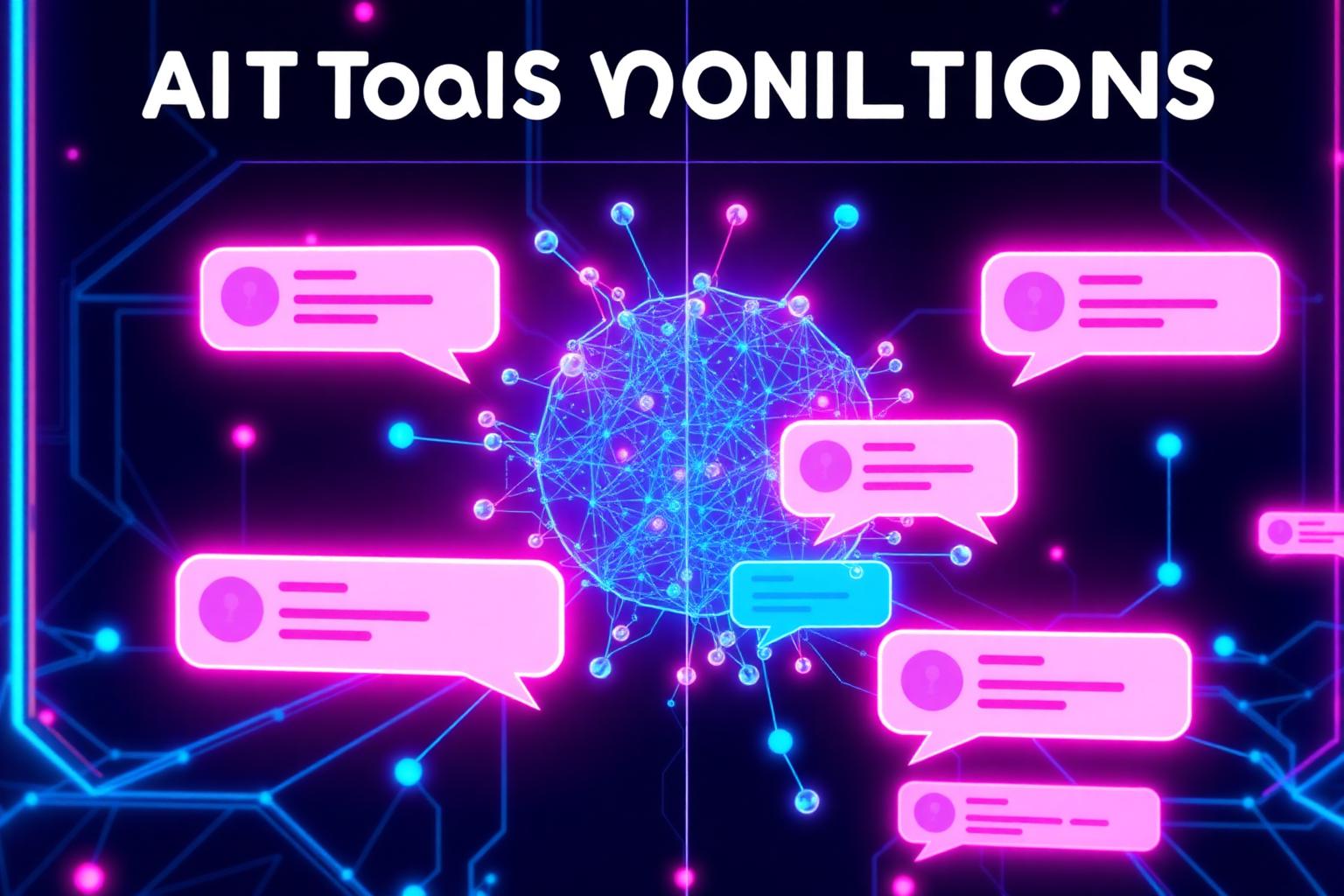
InfoWorld's most-read AI piece this week has a provocative answer to the vendor question: don't bet on any single model. The argument is not that models don't matter, but that the frontier is moving faster than most enterprise procurement cycles, and betting the company on one provider is now a serious strategic risk.
The core argument
In a 12-month period, GPT-5, Claude Fable, Gemini 3.5, and Muse Spark have each been 'the best model' for some real workload. Committing your architecture to any of them means your competitive position is one release cycle away from being wrong. The alternative is an abstraction layer that lets you swap models per workload.
What an abstraction layer looks like
In practice: a routing service, a shared prompt/versioning system, a per-workload evaluation harness, and a governance layer that logs which model handled which request. Open-source frameworks (LangChain, LlamaIndex, DSPy, plus commercial routers) provide most of the plumbing. The discipline is organizational, not just technical.
Where the trade-offs bite
Abstraction adds latency and cost and complicates model-specific features (Anthropic's tool use, OpenAI's structured outputs, Gemini's long-context tricks). Teams over-abstract at their peril. The right pattern: standardize what is portable, allow model-specific behavior for the workloads that need it.
The bottom line
The strategic AI question in 2026 is not 'which model' — it is 'how do we stay swappable.' Every architecture decision should be evaluated against that.
Source
مواضيع مقترحة · Suggested Topics
استكشف مواضيع ومحاور ذات صلة بهذا المقال — روابط داخلية لتعميق قراءتك.
The Daily Pulse
Newsletter delivery is not connected yet. This form only saves your address in this browser; no email is sent.
Get concise, source-linked technology notes without the hype.